Student loan assistance can help borrowers navigate career transitions by evaluating repayment options, income changes, employer benefits, PSLF eligibility, refinancing risks, and long-term strategies for managing student debt effectively...
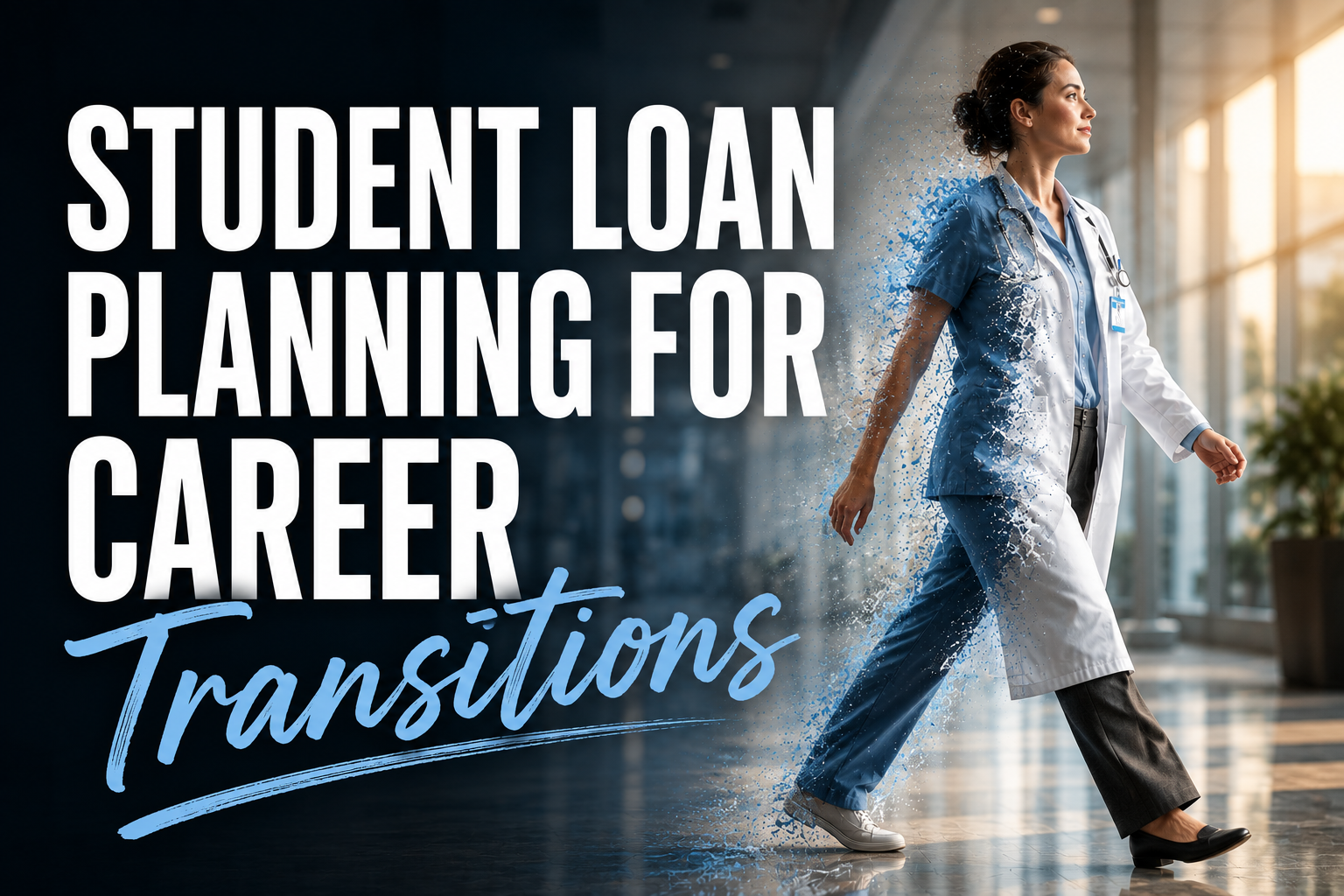
Changing careers can affect more than your salary. A new job may bring different income, benefits, retirement options, or eligibility for student loan forgiveness. For borrowers with education debt, a career transition is an important time to review repayment plans and determine whether the current strategy still makes sense.
The right student loan assistance can help borrowers understand how a career change may affect monthly payments, forgiveness opportunities, and the total cost of their loans.
Before leaving a job or accepting a new position, review your federal and private student loans. Consider your balances, interest rates, loan types, current repayment plan, and expected income after the transition.
This is especially important because federal student loan repayment options have changed. Borrowers should confirm their current options through StudentAid.gov rather than relying on repayment advice they received several years ago.
If a career change results in lower income, an eligible repayment plan based on income may provide a more manageable payment. If income increases substantially, borrowers may want to compare faster repayment with other financial priorities, such as building emergency savings, increasing retirement contributions, or continuing toward loan forgiveness.
The lowest monthly payment is not always the least expensive strategy. Effective student loan planning considers both short-term affordability and long-term cost.
Career changes are particularly important for borrowers pursuing Public Service Loan Forgiveness, or PSLF.
PSLF can forgive the remaining balance on eligible Direct Loans after borrowers satisfy program requirements, including making 120 qualifying monthly payments while working full time for an eligible employer.
Eligibility is generally based on the employer rather than the borrower's profession. This means a professional moving between a government or qualifying nonprofit organization and a private company could significantly change their path toward forgiveness.
Borrowers considering leaving public service should compare the financial value of a new position with the potential value of PSLF. Previously earned qualifying payments generally are not erased simply because a borrower changes employers, but payments made while working for a nonqualifying employer generally will not advance PSLF progress.
Similarly, borrowers entering qualifying public-service employment should determine whether PSLF could become part of their long-term repayment strategy.
When comparing job offers, salary should not be the only consideration.
Some employers provide student loan repayment benefits through educational assistance programs. Other benefits, including retirement contributions, health insurance, tuition assistance, bonuses, and professional development funding, can also affect the true financial value of a new position.
Borrowers should also be cautious about refinancing federal student loans during a career transition. Refinancing federal loans with a private lender means giving up federal protections and benefits that may include income-driven repayment options, PSLF, certain discharge programs, and federal deferment or forbearance opportunities.
A lower interest rate can be attractive, but it should be compared with the value of the federal benefits being surrendered.
Career transitions sometimes include a period between jobs or a temporary reduction in earnings. Building an emergency fund before leaving an existing position can help borrowers continue making payments while covering housing, insurance, food, and other essential expenses.
Borrowers experiencing financial difficulty may have federal repayment or temporary relief options available. However, these options can have different consequences for interest and forgiveness progress, so borrowers should understand the rules before making changes.
Professional student loan assistance can be especially helpful when a borrower is changing income levels, entering or leaving public service, considering refinancing, or trying to coordinate student loans with broader financial goals.
A career move can change your income, benefits, repayment options, and potential path toward student loan forgiveness. Reviewing your loans before changing jobs can help you avoid costly decisions and choose a strategy that supports both your immediate needs and long-term goals.
Student Loan Tutor provides personalized student loan assistance to help borrowers evaluate repayment strategies, forgiveness opportunities, and major career changes. Before your next career move, visit StudentLoanTutor.com to make sure your student loan strategy is moving in the right direction too.
The strategy outlined in this article is designed to help you save on federal student loans and work towards forgiveness. Please be aware that the federal student loan landscape is subject to change. Adjustments to this strategy may be necessary with evolving regulations and policies, and by working with us, you can be confident that you are leveraging expert guidance to ensure you are always on the best path to maximize your student loan forgiveness.The contents of this article are the property of Student Loan Tutor. This message may contain an advertisement of a product or service. Student Loan Tutor does not render legal, tax or accounting advice. Accordingly, you and your attorneys and accountants are ultimately responsible for determining the legal, tax and accounting consequences of any suggestions offered herein. We recommend that you consult with your legal and tax advisers regarding this communication. Student Loan Tutor is not affiliated in any way with the US Department of Education. The estimates contained herein are based on estimates derived from the studentaid.gov federal student loan repayment calculator, taking into consideration repayment plans, federal student loan forgiveness, and tax implications associated with current tax estimates using TurboTax percentages for 2025. Student Loan Tutor accepts no liability for estimates contained herein as a borrower's life circumstances, final submitted documents, student loan law subsidies, loan forgiveness and tax implications can change at any time without any notice and many of these strategies are only recently starting to be realized due to long loan forgiveness terms. A number of factors could drastically change these figures, including but not limited to the following: using forbearance or deferment, missing a recertification, changes in law including but not limited poverty line index, spousal income, income documentation protocol, repayment plans, public service loan forgiveness qualifications, tax law, household size, additional loans, consolidations, refinancing and the COVID-19 Pandemic.
Looking for more information about how to navigate the terrain of student loans? Check out more of our most recent blog posts.

September 28, 2026
This article explores strategies for managing student loan debt while pursuing long-term forgiveness, including repayment plans, PSLF, income changes, extra payments, administrative requirements, and evaluating overall long-term repayment costs...
September 21, 2026
Strategic student loan repayment can help borrowers avoid overpaying by considering repayment plans, forgiveness, income changes, taxes, interest, autopay benefits, and long-term financial goals before making additional payments...
September 14, 2026
PSLF can help qualifying public service borrowers achieve student loan forgiveness. Strategic planning around eligible loans, repayment plans, employment, income, taxes, and payment tracking can support progress toward forgiveness...


