Switching student loan repayment plans in 2026 can help when income or goals change, but it can backfire without a clear strategy. Thoughtful planning helps borrowers balance affordability, flexibility, and long-term costs.

Switching student loan repayment plans can be a smart financial move, but in 2026, it can also create unintended consequences if done without a clear strategy. With multiple repayment options available and stricter administrative requirements, borrowers need to understand when changing plans supports their long-term goals and when it may increase costs or risk.
This guide explains when switching repayment plans makes sense, when it can backfire, and how to evaluate a change responsibly.
Many borrowers start repayment with one plan and later realize it no longer fits their financial situation. Common reasons for switching include:
Switching plans is allowed, but it should always be done with a clear understanding of the tradeoffs.
A major increase or decrease in income can make your current plan inefficient or unsustainable.
Aligning payments with current income can improve cash flow and reduce stress.
Borrowers often reassess goals over time. You may decide that:
In these cases, switching repayment plans can help better match your strategy to your updated priorities.
Major life events can justify a repayment adjustment, including:
A repayment plan that worked in the past may not be suitable during a transition period.
If your current payments are consistently straining your budget, switching to a plan with lower required payments can provide short-term relief while you stabilize your finances.
Some repayment plans are tied to long-term strategies. Switching plans without understanding the implications can:
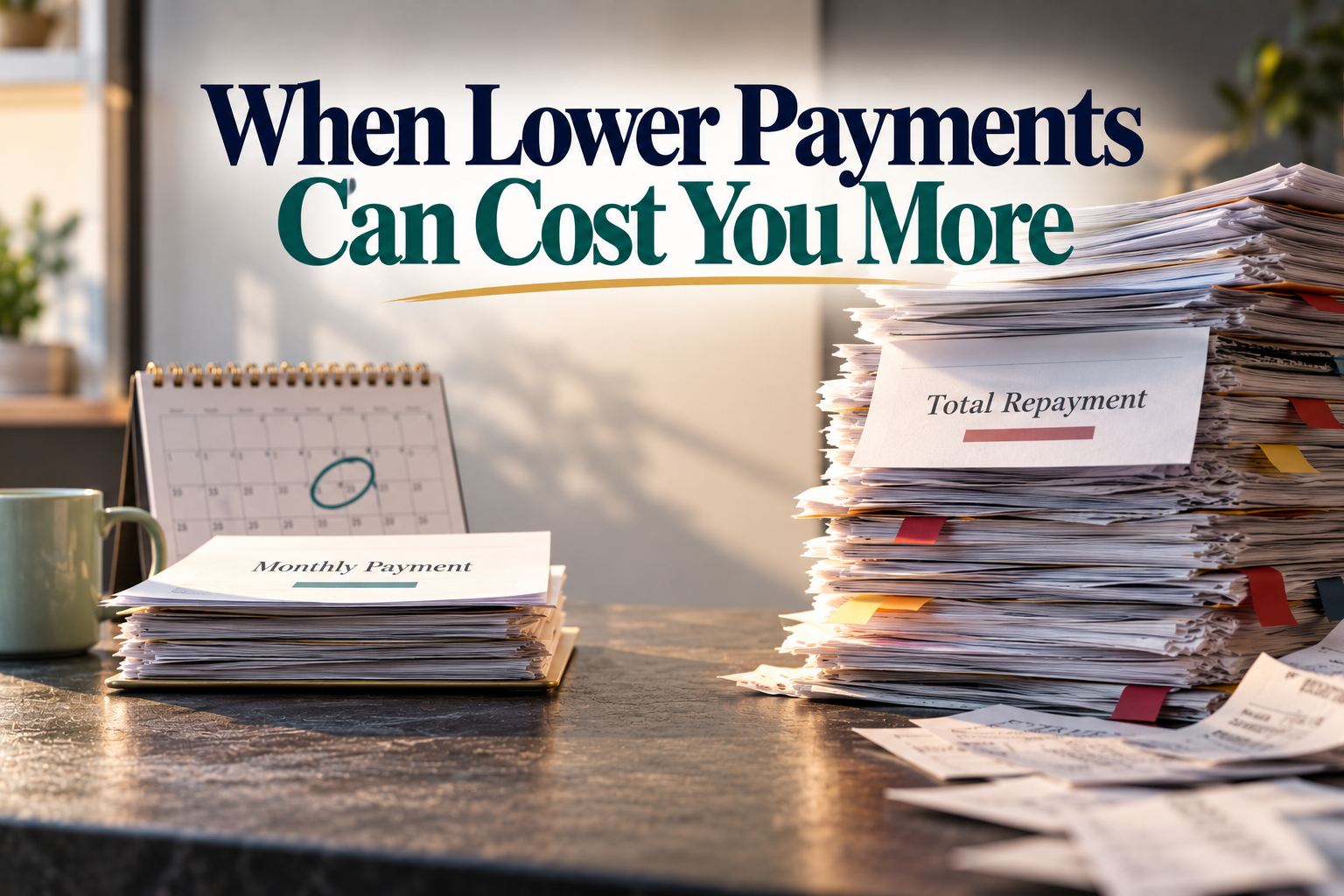
Lower monthly payments often mean:
Switching plans for short-term relief without a long-term plan can significantly increase the total amount repaid.
In 2026, staying compliant matters more than ever.
Switching plans adds another layer of administrative responsibility that borrowers must manage carefully.
Repeated plan changes can create confusion and instability. Constantly reacting to short-term circumstances without a broader strategy can prevent meaningful progress toward repayment goals.
Before changing repayment plans, borrowers should ask:
If the answers aren’t clear, it may be worth pausing before making a change.
A thoughtful approach can help borrowers avoid common mistakes.
Switching student loan repayment plans is not inherently good or bad. It’s a tool. When used strategically, it can support financial stability and long-term success. When used reactively, it can increase costs and complicate repayment.
In 2026, borrowers benefit most from intentional decisions that balance flexibility, affordability, and long-term planning.
Changing repayment plans can have lasting financial effects. A personalized review can help ensure a plan change supports your goals rather than undermines them.
Student Loan Tutor helps borrowers evaluate repayment options, understand tradeoffs, and make informed decisions about when switching plans makes sense. If you’re considering a change, or unsure whether you should, professional guidance can help you move forward with clarity and confidence.
Schedule a consultation with Student Loan Tutor to review your repayment strategy and explore your options.
The strategy outlined in this article is designed to help you save on federal student loans and work towards forgiveness. Please be aware that the federal student loan landscape is subject to change. Adjustments to this strategy may be necessary with evolving regulations and policies, and by working with us, you can be confident that you are leveraging expert guidance to ensure you are always on the best path to maximize your student loan forgiveness.The contents of this article are the property of Student Loan Tutor. This message may contain an advertisement of a product or service. Student Loan Tutor does not render legal, tax or accounting advice. Accordingly, you and your attorneys and accountants are ultimately responsible for determining the legal, tax and accounting consequences of any suggestions offered herein. We recommend that you consult with your legal and tax advisers regarding this communication. Student Loan Tutor is not affiliated in any way with the US Department of Education. The estimates contained herein are based on estimates derived from the studentaid.gov federal student loan repayment calculator, taking into consideration repayment plans, federal student loan forgiveness, and tax implications associated with current tax estimates using TurboTax percentages for 2025. Student Loan Tutor accepts no liability for estimates contained herein as a borrower's life circumstances, final submitted documents, student loan law subsidies, loan forgiveness and tax implications can change at any time without any notice and many of these strategies are only recently starting to be realized due to long loan forgiveness terms. A number of factors could drastically change these figures, including but not limited to the following: using forbearance or deferment, missing a recertification, changes in law including but not limited poverty line index, spousal income, income documentation protocol, repayment plans, public service loan forgiveness qualifications, tax law, household size, additional loans, consolidations, refinancing and the COVID-19 Pandemic.
Looking for more information about how to navigate the terrain of student loans? Check out more of our most recent blog posts.

October 12, 2026
Student loan decisions involving repayment plans, forgiveness, consolidation, refinancing, taxes, and career changes can shape long-term finances. Student Loan Tutor helps borrowers develop personalized strategies for their financial futures...
October 5, 2026
Lower student loan payments can provide short-term relief but may increase long-term costs. Understanding interest, repayment length, forgiveness eligibility, income, and total repayment can help borrowers choose strategically...
September 28, 2026
This article explores strategies for managing student loan debt while pursuing long-term forgiveness, including repayment plans, PSLF, income changes, extra payments, administrative requirements, and evaluating overall long-term repayment costs...


