After the one-time account adjustment is completed by the Department of Education in July 2024, the loan servicers and Department of Education are looking to implement a new tracking system for updates on eligible payments for Income-Driven Repayment plans.

In recent years, the burden of student loan debt has been a significant concern for millions of borrowers in the nation. To address this issue, many student loan forgiveness programs have been implemented, offering relief to eligible individuals.
However, with recent changes, such as the one-time account adjustment, borrowers may be wondering about their options and what steps to take next. In this article, we'll explore the landscape of student loan forgiveness programs and provide guidance on what to do following the adjustment.
The one-time account adjustment that ended April 30, 2024 for all borrowers with Direct Loans and Department of Education held FFEL loans is a significant policy change that may affect borrowers enrolled in student loan forgiveness programs. This adjustment happened automatically and backdated eligible months in repayment changes in interest rates, remaining time in Income-Driven Repayment plans and some borrowers received partial/full forgiveness of outstanding balances. While it offers relief to many borrowers, it's essential to understand its implications fully.
After the one-time account adjustment is completed by the Department of Education in July 2024, the loan servicers and Department of Education are looking to implement a new tracking system for updates on eligible payments for Income-Driven Repayment plans. It would be best to work with a professional to see exactly where the loans are in the process for forgiveness and make sure you are prepared for the tax implication when the loans are discharged as earned income.
With the one-time account adjustment in place, borrowers should explore available options for student loan forgiveness. These options may include income-driven repayment plans (including the new SAVE plan) and Public Service Loan Forgiveness (PSLF.)
Depending on your circumstances, consolidating your student loans may be a viable strategy. Consolidation combines multiple loans into a single loan with a fixed/variable interest rate, simplifying repayment. Refinancing involves replacing existing loans with a new loan, often with a lower interest rate or better terms. However, refinancing federal loans with a private lender means forfeiting federal loan benefits, such as income-driven repayment plans and loan forgiveness programs. Here are Student Loan Tutor we do not recommend refinancing!
Depending on the specific circumstances, consolidation with the Department of Education may make sense to reset the forgiveness clock, for a longer time to prepare for the tax implications.
As student loan forgiveness programs continue to evolve, it's crucial to stay informed about changes and updates. Follow reputable sources of information, such as government websites, official announcements, and trusted experts like Student Loan Tutor who can provide personalized advice based on your individual circumstances.
The one-time account adjustment is just one of many significant opportunity for borrowers to reassess their student loan repayment strategies and explore options for forgiveness. Though this adjustment has ended, there are many more loan forgiveness programs underway. Now is a better time than any to assess your current situation, and exploring available options, you can take proactive steps towards managing your student loan debt effectively. Remember to stay informed, seek guidance when needed, and take advantage of the resources and support available to you on your journey to financial freedom.
If you are currently paying over $150 per month on your student loans we can more than likely help you. Sign up now for a free evaluation with Student Loan Tutor to ensure you're making the most of these loan forgiveness programs and get help managing your student loan debt effectively. Student Loan Tutor is the only company who not only offers strategy implementation but also provides full service document preparation and loan management which we have been doing for over 10 years.
Zack Geist founded Student Loan Tutor in 2015. As one of the leading experts in federal student loan repayment he and his team have taught thousands of student loan borrowers all over the country how to save enormous amounts of money and hassle. He currently resides on the Hamakua Coast of Big Island Hawaii.
The strategy outlined in this article is designed to help you save on federal student loans and work towards forgiveness. Please be aware that the federal student loan landscape is subject to change. Adjustments to this strategy may be necessary with evolving regulations and policies, and by working with us, you can be confident that you are leveraging expert guidance to ensure you are always on the best path to maximize your student loan forgiveness.The contents of this article are the property of Student Loan Tutor. This message may contain an advertisement of a product or service. Student Loan Tutor does not render legal, tax or accounting advice. Accordingly, you and your attorneys and accountants are ultimately responsible for determining the legal, tax and accounting consequences of any suggestions offered herein. We recommend that you consult with your legal and tax advisers regarding this communication. Student Loan Tutor is not affiliated in any way with the US Department of Education. The estimates contained herein are based on estimates derived from the studentaid.gov federal student loan repayment calculator, taking into consideration repayment plans, federal student loan forgiveness, and tax implications associated with current tax estimates using TurboTax percentages for 2025. Student Loan Tutor accepts no liability for estimates contained herein as a borrower's life circumstances, final submitted documents, student loan law subsidies, loan forgiveness and tax implications can change at any time without any notice and many of these strategies are only recently starting to be realized due to long loan forgiveness terms. A number of factors could drastically change these figures, including but not limited to the following: using forbearance or deferment, missing a recertification, changes in law including but not limited poverty line index, spousal income, income documentation protocol, repayment plans, public service loan forgiveness qualifications, tax law, household size, additional loans, consolidations, refinancing and the COVID-19 Pandemic.
Looking for more information about how to navigate the terrain of student loans? Check out more of our most recent blog posts.
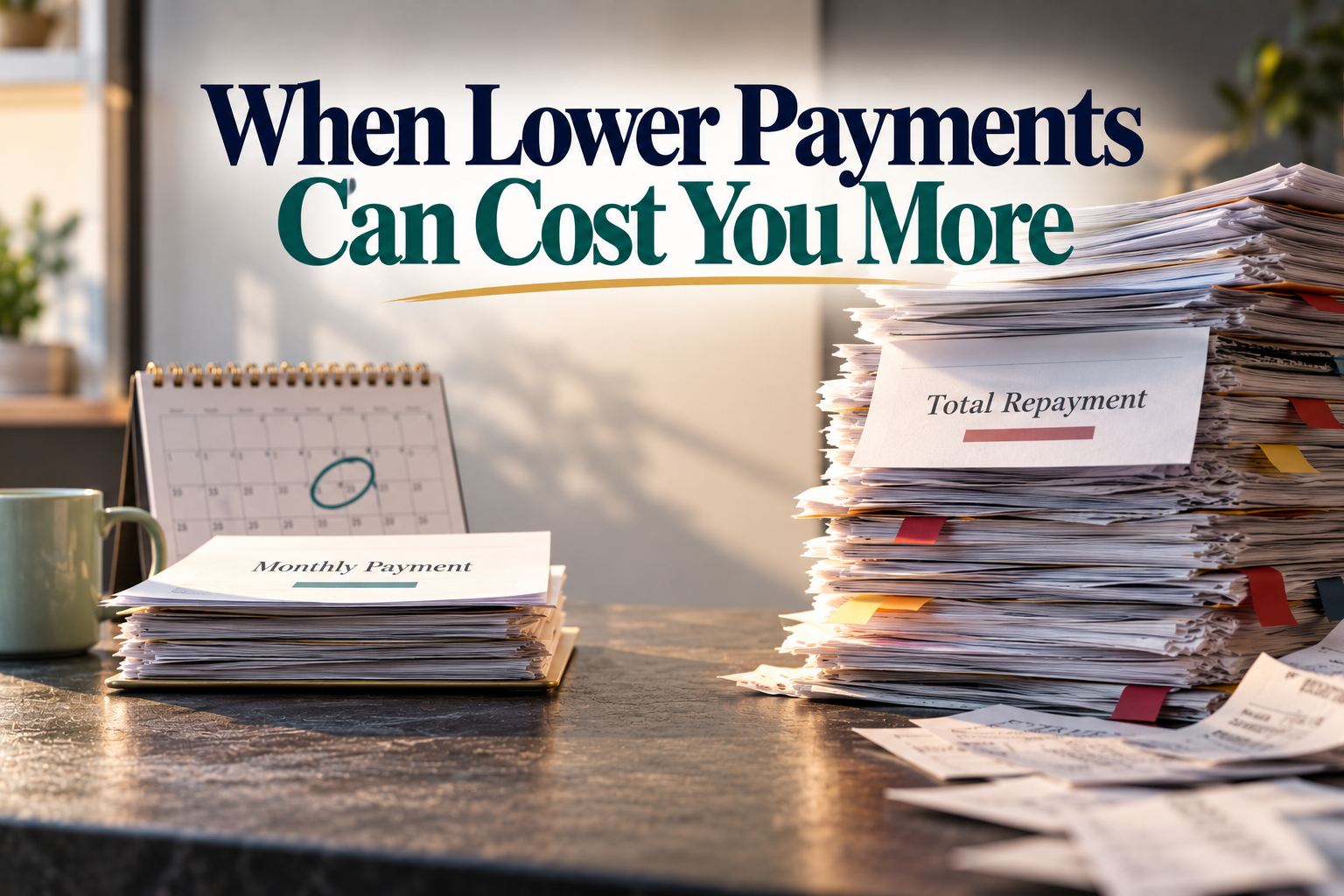
October 5, 2026
Lower student loan payments can provide short-term relief but may increase long-term costs. Understanding interest, repayment length, forgiveness eligibility, income, and total repayment can help borrowers choose strategically...
September 28, 2026
This article explores strategies for managing student loan debt while pursuing long-term forgiveness, including repayment plans, PSLF, income changes, extra payments, administrative requirements, and evaluating overall long-term repayment costs...
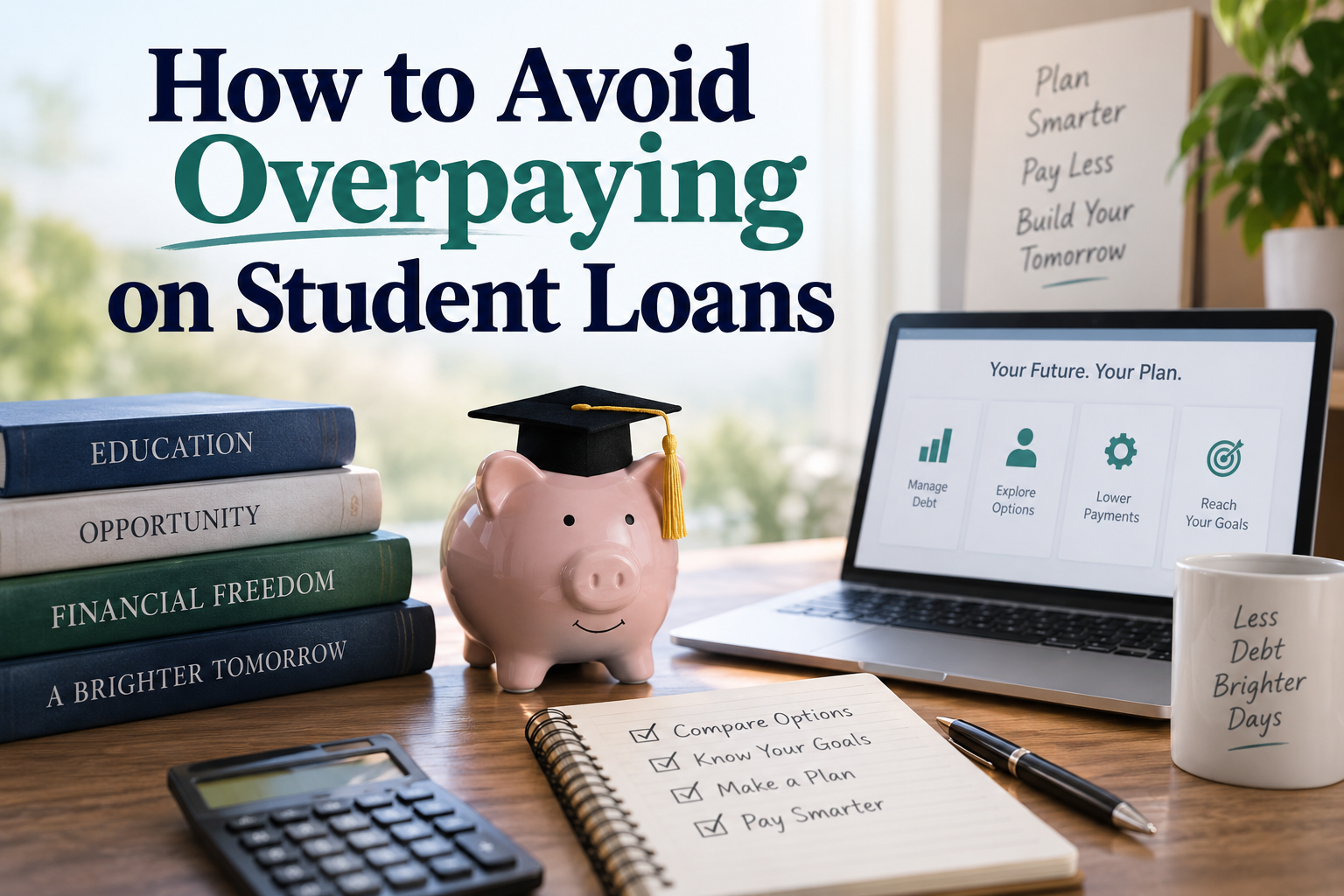
September 21, 2026
Strategic student loan repayment can help borrowers avoid overpaying by considering repayment plans, forgiveness, income changes, taxes, interest, autopay benefits, and long-term financial goals before making additional payments...


