Comparing student loan forbearance and income-driven repayment plans? Here we explain how each provides short-term relief but differs significantly in long-term cost and forgiveness eligibility. See which route is a more sustainable strategy for borrowers facing ongoing financial challenges...

For borrowers struggling with student loan payments, short-term relief options
can feel like a financial lifeline. Two of the most common options, loan
forbearance and income-driven repayment (IDR) plans, can both reduce
immediate financial pressure, but they have very different long-term
consequences. Understanding how these options work, and how they affect total
repayment costs, is essential for making informed student loan decisions.
This article explains the key differences between forbearance and income-driven
repayment, outlines the long-term costs of each, and helps borrowers evaluate
which option may better support their financial goals.
Student loan forbearance allows borrowers to temporarily pause payments,
typically for a limited period. During forbearance, payments are not required, but
interest continues to accrue on federal student loans.
• Temporary payment suspension
• Interest continues to accrue on loans
• Accrued interest may capitalize at the end of forbearance (FFEL Loans)
• Does not count toward loan forgiveness programs
Forbearance is often used during periods of short-term financial hardship, such
as job loss or unexpected expenses. While it can provide immediate relief, it does
not reduce the underlying loan balance and can increase the total amount repaid
over time.
Income-driven repayment plans base monthly payments on a borrower’s income
and household size. These plans are designed to keep payments affordable while
maintaining progress toward repayment and, in some cases, loan forgiveness.
• Payments adjust based on income and household size
• Payments may be as low as $0 for eligible borrowers
• Interest may still accrue, but some plans offer interest protections
• Qualifying payments can count toward forgiveness programs
• Requires annual, ongoing income certification
IDR plans are intended for borrowers with income constraints or high debt-to-
income ratios and can provide long-term payment sustainability when managed
correctly.
Forbearance offers immediate relief with no required payments, making it
appealing during financial emergencies. IDR plans may still require monthly
payments, but those payments are structured to remain affordable based on
income.
During forbearance, interest continues to accrue and may capitalize (depending
on the loan type), increasing the loan balance. Under IDR plans, interest may
accrue as well, but the borrower remains in active repayment status, which can
reduce negative long-term effects.
Time spent in forbearance generally does not count toward forgiveness
programs. Payments made under qualifying IDR plans may count toward
forgiveness timelines, making IDR a more strategic option for borrowers
pursuing long-term relief.
Repeated or extended use of forbearance can significantly increase total
repayment costs due to accumulated interest. IDR plans may result in higher total
payments over time for some borrowers, but they often provide better alignment
with long-term affordability and program eligibility.
Forbearance may make sense when:
• Financial hardship is short-term and temporary
• The borrower expects income to recover quickly
• Administrative delays prevent immediate enrollment in another plan
In these situations, forbearance can serve as a temporary bridge, but it should be
used intentionally and sparingly.
Income-driven repayment may be more appropriate when:
• Income is consistently low or unpredictable
• Monthly payments under standard plans are unaffordable
• The borrower is pursuing long-term forgiveness strategies
• Financial instability is expected to last beyond the short term
IDR plans are generally more sustainable for borrowers who need ongoing
payment flexibility rather than temporary relief.
Borrowers often:
• Use forbearance repeatedly without reassessing long-term costs
• Delay enrolling in IDR plans due to paperwork concerns
• Focus only on monthly payment relief without evaluating total repayment
impact
A lack of long-term planning can turn short-term relief into long-term financial
strain.
Choosing between forbearance and income-driven repayment requires a clear
understanding of tradeoffs, program requirements, and long-term financial goals.
Student Loan Tutor helps borrowers:
• Compare repayment strategies based on income and debt
• Understand how interest and capitalization affect total cost
• Evaluate eligibility for forgiveness and relief programs
• Create a repayment strategy that balances affordability and long-term
outcomes
A personalized review can help borrowers avoid costly mistakes and choose a
strategy that supports both short-term stability and long-term financial health.
Short-term relief options can provide necessary breathing room, but they are not
all equal in long-term impact. Forbearance may offer immediate relief, but
income-driven repayment plans often provide a more sustainable path forward
for borrowers facing ongoing financial challenges. Understanding the true cost of
each option empowers borrowers to make informed, confident decisions about
their student loan repayment strategy.
If you’re unsure whether forbearance or an income-driven repayment plan is the
right choice for your situation, professional guidance can make the difference.
Student Loan Tutor offers personalized reviews to help borrowers understand
their options, evaluate long-term costs, and choose a repayment strategy that
aligns with their income and financial goals.
Schedule a consultation with Student Loan Tutor at www.studentloantutor.com
to get clarity on your student loan repayment options and move forward with a
plan you can trust.
The strategy outlined in this article is designed to help you save on federal student loans and work towards forgiveness. Please be aware that the federal student loan landscape is subject to change. Adjustments to this strategy may be necessary with evolving regulations and policies, and by working with us, you can be confident that you are leveraging expert guidance to ensure you are always on the best path to maximize your student loan forgiveness.The contents of this article are the property of Student Loan Tutor. This message may contain an advertisement of a product or service. Student Loan Tutor does not render legal, tax or accounting advice. Accordingly, you and your attorneys and accountants are ultimately responsible for determining the legal, tax and accounting consequences of any suggestions offered herein. We recommend that you consult with your legal and tax advisers regarding this communication. Student Loan Tutor is not affiliated in any way with the US Department of Education. The estimates contained herein are based on estimates derived from the studentaid.gov federal student loan repayment calculator, taking into consideration repayment plans, federal student loan forgiveness, and tax implications associated with current tax estimates using TurboTax percentages for 2025. Student Loan Tutor accepts no liability for estimates contained herein as a borrower's life circumstances, final submitted documents, student loan law subsidies, loan forgiveness and tax implications can change at any time without any notice and many of these strategies are only recently starting to be realized due to long loan forgiveness terms. A number of factors could drastically change these figures, including but not limited to the following: using forbearance or deferment, missing a recertification, changes in law including but not limited poverty line index, spousal income, income documentation protocol, repayment plans, public service loan forgiveness qualifications, tax law, household size, additional loans, consolidations, refinancing and the COVID-19 Pandemic.
Looking for more information about how to navigate the terrain of student loans? Check out more of our most recent blog posts.
.png)
October 19, 2026
Reviewing your student loan strategy annually helps identify repayment opportunities, adjust for financial changes, monitor forgiveness progress, avoid costly mistakes, and manage federal student loans more effectively over time...

October 12, 2026
Student loan decisions involving repayment plans, forgiveness, consolidation, refinancing, taxes, and career changes can shape long-term finances. Student Loan Tutor helps borrowers develop personalized strategies for their financial futures...
October 5, 2026
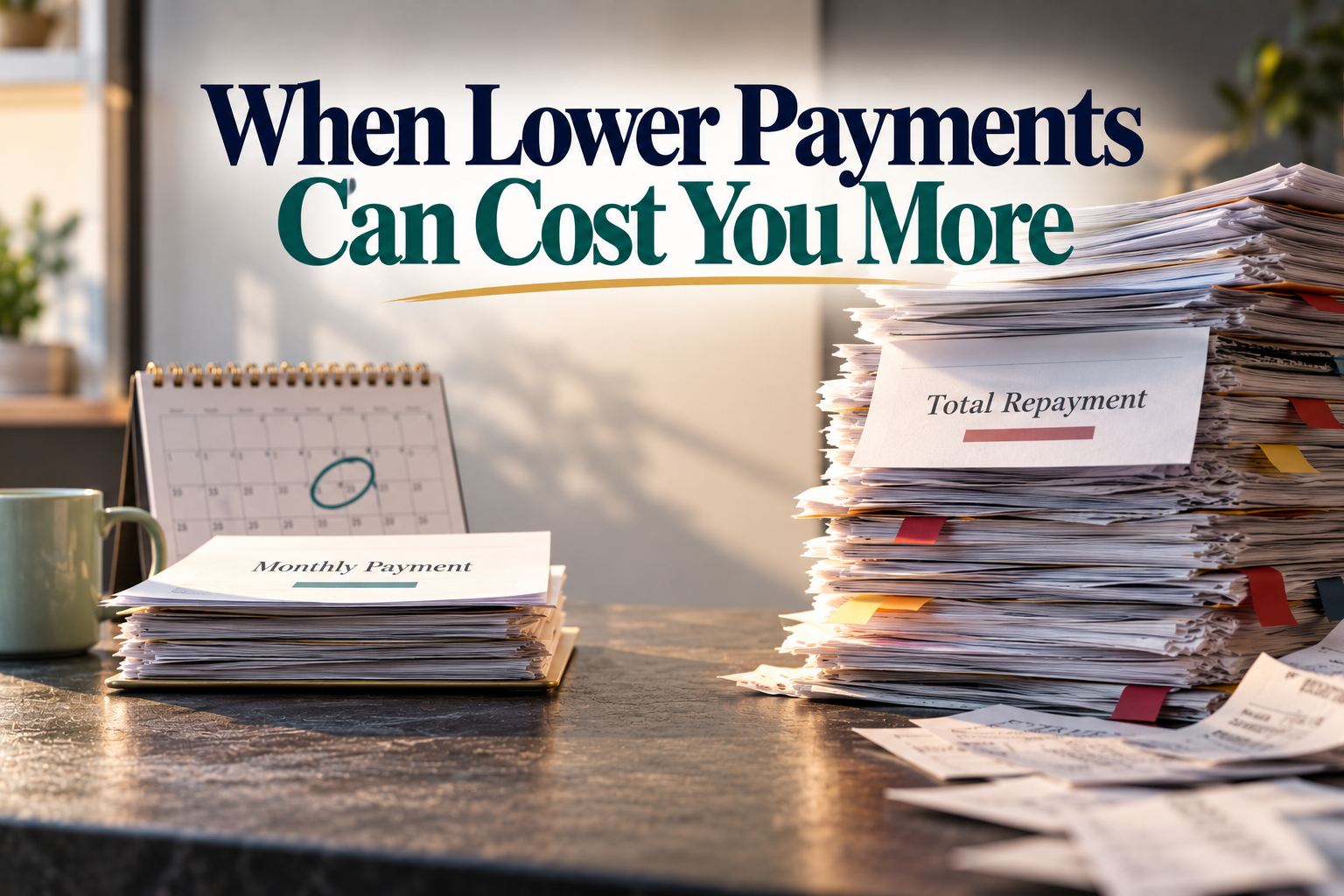
Lower student loan payments can provide short-term relief but may increase long-term costs. Understanding interest, repayment length, forgiveness eligibility, income, and total repayment can help borrowers choose strategically...


