Learn how interest affects the true cost of borrowing, why repayment strategy matters, and how personalized student loan assistance may help reduce long term costs while supporting your financial goals...
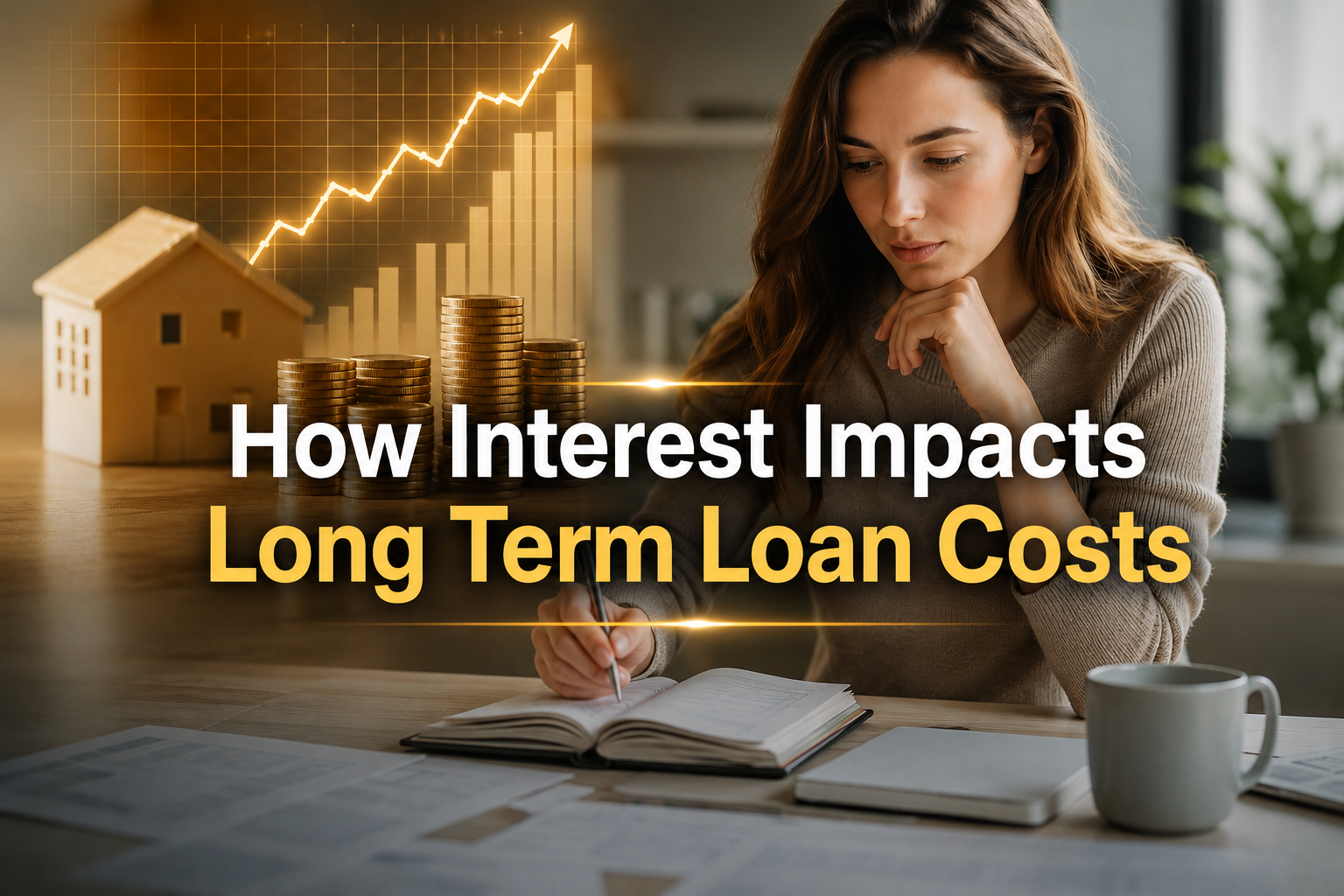
When most people borrow for college, they focus on one number: how much they owe today. While the original balance matters, the interest rate often has a much bigger impact on what you ultimately repay over the life of the loan.
Understanding how interest works can help you make smarter borrowing and repayment decisions. Whether you are just entering repayment or have been paying for years, knowing how interest affects your balance may help you save thousands of dollars. If you are looking for student loan assistance, learning how interest works is one of the best places to start.
Student loan interest is the cost of borrowing money. Your lender charges interest as a percentage of your outstanding loan balance. As long as you still owe money, interest continues to accrue based on the terms of your loan.
Federal student loans have fixed interest rates that are determined each year for new loans, while many private student loans offer either fixed or variable rates depending on the lender and the borrower's qualifications.
The higher your interest rate, the more expensive your loan becomes over time.
A common misconception is that making minimum monthly payments always reduces your debt quickly.
In reality, a portion of every payment often goes toward interest before reducing your principal balance. Early in repayment, especially on longer repayment schedules, a significant percentage of your payment may be applied to accrued interest.
Over the life of the loan, you could pay tens of thousands of dollars in interest in addition to repaying the original amount borrowed.
Even relatively small differences in interest rates can have a substantial impact over many years.
Most federal student loans accrue interest daily.
The amount of daily interest depends on three factors:
As your principal decreases, the amount of interest that accrues each day also decreases. This is one reason why extra payments made toward principal can reduce your overall borrowing costs.
Not every federal loan works the same way.
Direct Subsidized Loans generally do not accrue interest while an eligible undergraduate student is enrolled at least half time, during the grace period, and during certain deferments.
Direct Unsubsidized Loans begin accruing interest as soon as they are disbursed. If that interest is not paid while you are in school, it may increase the amount you owe when repayment begins.
Understanding which type of loans you have can make a meaningful difference in your long term repayment strategy.
Interest capitalization occurs when unpaid interest is added to your principal balance.
Once this happens, future interest is calculated on the new, larger balance.
This means you are effectively paying interest on previously accrued interest.
While federal student loan rules have reduced capitalization in many situations compared with previous years, capitalization can still occur under certain circumstances depending on your loan type and repayment history.
Avoiding unnecessary capitalization may reduce your total repayment costs.
Lower monthly payments often sound attractive.
However, extending your repayment period generally increases the total amount of interest paid.
Consider two borrowers with identical loan balances.
Borrower B may enjoy lower monthly payments, but could pay significantly more in total interest over the life of the loan.
Lower monthly payments are not always a bad choice. For borrowers pursuing forgiveness or managing cash flow, they may be entirely appropriate. The key is understanding the tradeoff.
Making additional payments toward your loan principal may reduce both:
Before making extra payments, verify that your servicer applies the additional amount toward principal rather than advancing your next payment due date.
However, paying extra is not always the best financial decision.
For some borrowers, especially those pursuing federal loan forgiveness through Income Driven Repayment or Public Service Loan Forgiveness, paying the minimum required payment may actually produce a lower overall lifetime cost.
This is why personalized student loan assistance can be so valuable.
Many borrowers consider refinancing to lower their interest rate.
Refinancing may reduce:
However, refinancing federal student loans into a private loan permanently eliminates federal protections, including Income Driven Repayment options, federal forgiveness programs, deferment opportunities, and other borrower benefits.
For borrowers who rely on those protections, refinancing may not be the right choice even if it offers a lower interest rate.
Many borrowers assume they need dramatic changes to save money.
In reality, relatively small improvements can create meaningful long term savings.
Examples include:
These adjustments can potentially save thousands of dollars over the life of a loan.
Interest rates matter, but they should not be the only factor guiding repayment decisions.
A comprehensive strategy also considers:
The repayment plan with the lowest interest cost is not always the plan that leaves you with the greatest overall financial outcome.
Interest has a powerful effect on the true cost of borrowing. Two borrowers with identical loan balances can end up paying dramatically different amounts depending on their interest rates, repayment plans, and financial strategy.
Rather than focusing only on your monthly payment, take time to understand how interest affects your total repayment cost. A well designed repayment strategy may help you reduce unnecessary expenses while keeping your broader financial goals on track.
If you are looking for personalized student loan assistance, the team at Student Loan Tutor can review your federal repayment options, explain how interest affects your long term costs, and help you build a strategy based on your individual financial situation. The right plan today could save you thousands over the life of your loans.
The strategy outlined in this article is designed to help you save on federal student loans and work towards forgiveness. Please be aware that the federal student loan landscape is subject to change. Adjustments to this strategy may be necessary with evolving regulations and policies, and by working with us, you can be confident that you are leveraging expert guidance to ensure you are always on the best path to maximize your student loan forgiveness.The contents of this article are the property of Student Loan Tutor. This message may contain an advertisement of a product or service. Student Loan Tutor does not render legal, tax or accounting advice. Accordingly, you and your attorneys and accountants are ultimately responsible for determining the legal, tax and accounting consequences of any suggestions offered herein. We recommend that you consult with your legal and tax advisers regarding this communication. Student Loan Tutor is not affiliated in any way with the US Department of Education. The estimates contained herein are based on estimates derived from the studentaid.gov federal student loan repayment calculator, taking into consideration repayment plans, federal student loan forgiveness, and tax implications associated with current tax estimates using TurboTax percentages for 2025. Student Loan Tutor accepts no liability for estimates contained herein as a borrower's life circumstances, final submitted documents, student loan law subsidies, loan forgiveness and tax implications can change at any time without any notice and many of these strategies are only recently starting to be realized due to long loan forgiveness terms. A number of factors could drastically change these figures, including but not limited to the following: using forbearance or deferment, missing a recertification, changes in law including but not limited poverty line index, spousal income, income documentation protocol, repayment plans, public service loan forgiveness qualifications, tax law, household size, additional loans, consolidations, refinancing and the COVID-19 Pandemic.
Looking for more information about how to navigate the terrain of student loans? Check out more of our most recent blog posts.
September 14, 2026
PSLF can help qualifying public service borrowers achieve student loan forgiveness. Strategic planning around eligible loans, repayment plans, employment, income, taxes, and payment tracking can support progress toward forgiveness...

September 7, 2026
Changing student loan servicers can create confusion, but your debt does not disappear. Verify balances, payments, repayment plans, auto pay, and account details to keep your student loan strategy on track...
August 31, 2026
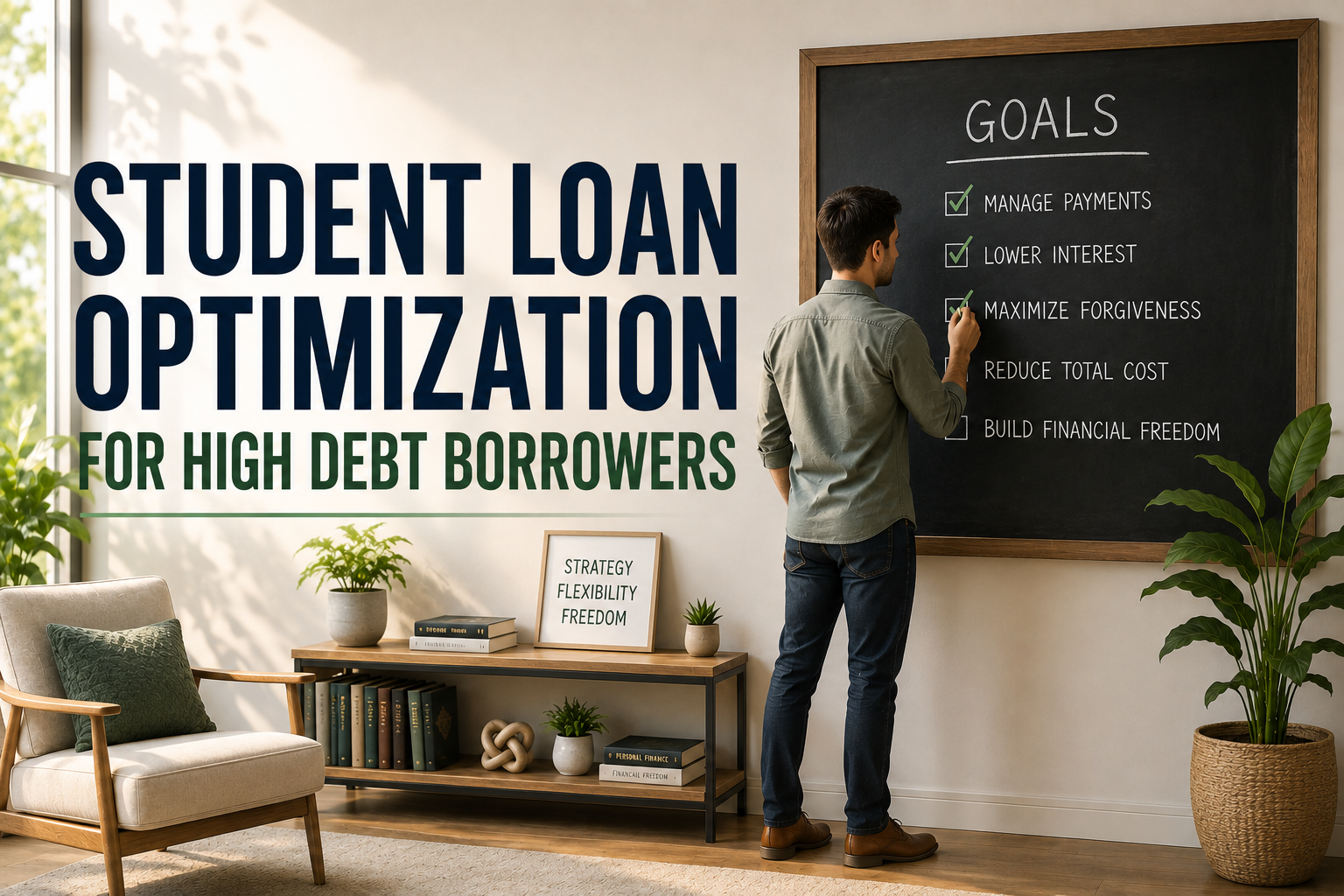
Student Loan Tutor helps high debt borrowers evaluate repayment plans, forgiveness opportunities, income, taxes, and career factors to build a personalized strategy for managing student loans and reducing long-term costs...


